
How to Measure Waist for Men Accurately
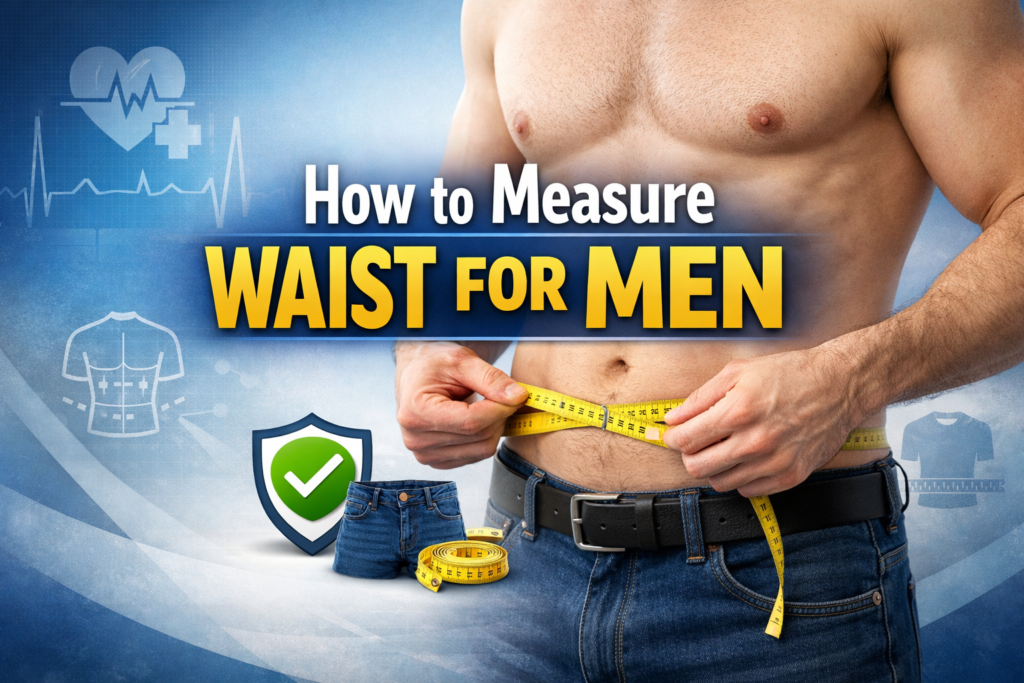
Measuring your waist accurately is more than just a number on a tape measure. Whether for fitness tracking, health assessment, or clothing fit, knowing how to measure waist for men can help you make better decisions for your health and lifestyle. In this guide, we’ll cover step-by-step instructions, tips, and the importance of waist measurement.
Why Measuring Your Waist Matters
Waist measurement is a simple yet powerful indicator of body health. It is often used alongside weight, BMI, and body fat percentage to:
- Track fitness progress
- Assess risk of heart disease, diabetes, and obesity
- Determine clothing sizes accurately
Research shows that excess abdominal fat, even in people with normal BMI, can increase the risk of metabolic diseases. This makes knowing your waist size essential for long-term health. For reference, a healthy waist circumference for men is generally considered:
- Below 37 inches (94 cm) – lower risk of health issues
- Above 40 inches (102 cm) – higher risk of metabolic conditions
Source: World Health Organization
Step-by-Step Guide: How to Measure Waist for Men
1. Choose the Right Tool
Use a flexible, non-stretchable measuring tape. Avoid cloth tapes that may stretch or elastic tapes that can give inaccurate readings.
2. Find the Correct Location
For men, the waist is typically just above the hip bone and below the rib cage, at the narrowest part of the torso. If you’re unsure, locate your navel (belly button) as a reference point.
3. Stand Properly
- Stand straight with feet shoulder-width apart
- Keep your abdomen relaxed, don’t suck in your stomach
- Arms should be resting naturally at your sides
4. Wrap the Tape
- Wrap the measuring tape around your waist horizontally
- Ensure the tape is snug but not tight
- The tape should be parallel to the floor
5. Read the Measurement
- Take the reading at the end of a normal breath
- Record the measurement in inches or centimeters
- Repeat 2–3 times for accuracy
Tips for Accurate Waist Measurement
- Measure at the same time of day: Morning measurements are often most consistent
- Avoid clothing bulk: Measure over bare skin or light clothing
- Use a mirror: Helps keep the tape horizontal and level
- Track trends: Don’t focus on one number; track changes over weeks or months

Common Mistakes to Avoid
- Measuring too high or too low on the torso
- Pulling the tape too tight or leaving it too loose
- Holding your breath or sucking in your stomach
- Using a stretchy or worn-out tape measure
Correct technique ensures your waist measurement reflects your true health status and not temporary posture or clothing interference.
Waist Measurement and Health
Waist circumference is often used alongside BMI to assess health risks.
Men who have a larger waist measurement may face a higher risk of certain health issues:
- Heart disease
- Type 2 diabetes
- High blood pressure
- Abdominal obesity
Tracking your waist regularly can help you adjust your diet and exercise routines effectively.
Waist Measurement for Clothing
Beyond health, accurate waist measurement helps with clothing fit:
- Pants and shorts sizing
- Belt selection
- Online shopping confidence
Many brands provide a waist size chart, so knowing your waist size helps you avoid returns and find better-fitting apparel.
Practical Example
John wants to check his waist:
- He stands straight, relaxes, and wraps the tape above his hip bone.
- The tape reads 36 inches at the end of a normal breath.
- John records it and compares it to health guidelines and clothing sizes.
By doing this regularly, John can track fitness progress and health improvements.
Related Tools
To simplify tracking, you can use online calculators like the Body Fat Calculator to estimate waist-to-hip ratio and fat percentage.
Final Thoughts
Learning how to measure waist for men is a simple, practical skill that provides important insight into your health and lifestyle. With the right technique and consistency, you can monitor your progress, improve fitness results, and make informed health decisions.
FAQs About Measuring Waist for Men
1. What is the best way to measure a man’s waist?
The most accurate method is to use a flexible, non-stretchable tape measure at the narrowest part of the torso, just above the hip bone and below the rib cage, while standing straight and relaxed.
2. How often should men measure their waist?
For tracking health or fitness goals, measuring once a week or every two weeks is recommended. Consistency in timing (e.g., morning) ensures accurate comparisons.
3. Does waist measurement include clothing?
No. Measure over bare skin or light clothing. Thick clothing can add extra inches and give inaccurate results.
4. What waist size is healthy for men?
Generally, a waist below 37 inches (94 cm) is considered low-risk, while a waist above 40 inches (102 cm) indicates higher risk for heart disease, diabetes, and other metabolic issues.
5. Can waist measurement help with clothing size?
Yes. Knowing your waist measurement ensures better-fitting pants, shorts, and belts, especially when shopping online or selecting tailored clothing.
6. What’s the difference between waist measurement and BMI?
BMI estimates overall body fat using height and weight, while waist measurement focuses on abdominal fat, which is a key predictor of health risks like heart disease and diabetes.